
Clay County Arrest Warrants Explained
An arrest warrant is a magistrate's written order. It directs a peace officer or other named person to arrest the accused and bring that person before the proper authority. Texas Chapter 15 requires a sworn complaint or sworn basis for probable cause first. The paper belongs to one court and one offense. It is not a countywide name search. For a felony or district matter in Clay County, start with the 97th District Court and the District Clerk. Fine-only cases may sit with the Justice Court instead. A municipal court can hold a case tied to a city citation. The sheriff's website posts a phone contact and a jail-roster link. It offers no public arrest-warrant lookup.
Chapter 15 Sets the Arrest-Warrant Requisites
Texas law sets out what an arrest warrant must contain. It runs in the name of the State. The order must identify the accused or describe that person with reasonable certainty. It must state the offense. And it must carry the issuing magistrate's signature. When an officer executes the warrant, the statute requires that authority be made known. These requisites describe the form of the order, not anything Clay County posts online. Texas Code of Criminal Procedure Chapter 15 lays out the legal framework for arrest warrants and their execution. The case-specific Clay County record stays with the issuing court and any agency holding a releasable copy.
Use the statute to understand the order's form, then ask the Clay County court about the warrant record and its status.
Inside a Clay County Arrest Warrant
Clay County publishes no sample arrest-warrant record and no warrant-number format. So ask the office directly. The entries here are fields a reader can ask about when an office releases an existing record.
| Warrant identifier | Format not published Ask for a number only if it can be released. |
|---|---|
| Cause and court | Connects the warrant with a case and its issuing court. |
| Offense | Ask which allegation or charge is named and what classification appears. |
| Magistrate and date | Identify who issued it and when the order was entered. |
| Bond and status | No public county schedule or status-code schema was found. |
The District Clerk's records may include felony, family, juvenile, and major civil files. Clay County withholds protected juvenile, sealed, and active-investigation details from release.
Clay County Felony Records Start with the District Clerk
The 97th District Court serves Clay, Montague, and Archer counties. For a Clay County district case, the District Clerk is the records counter at the courthouse. The clerk's page identifies the records office, the forms, public hours, and the court-records link. Take a court-file question to the clerk or the judge's chambers, not the sheriff's Records Division. The sheriff's own form sends requesters to the court of jurisdiction for court documents. A courthouse photo helps only as a location reference. It shows no warrant and no case file. The county contact directory lists courthouse and annex offices.
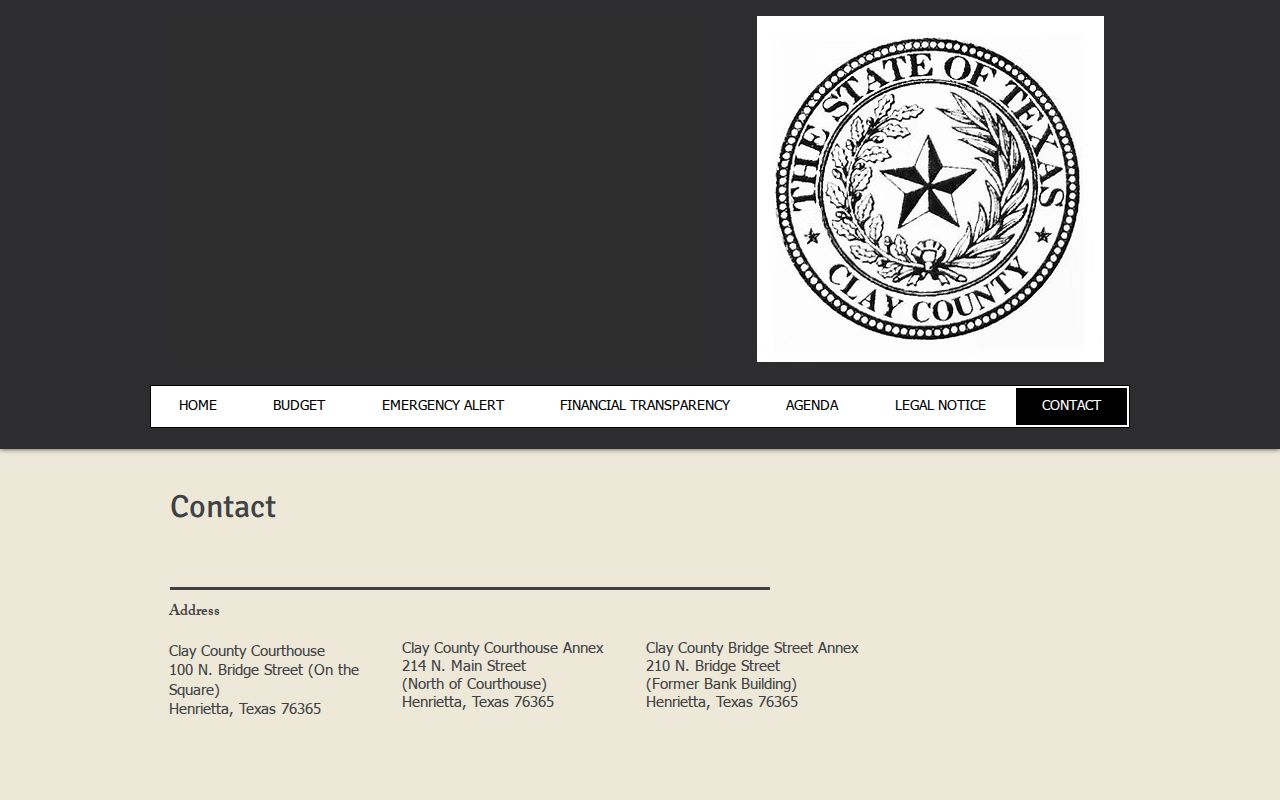
District Court, Justice Court, and sheriff records are held at different offices around Henrietta.
Serving Arrest Warrants in Clay County
Executing a warrant means three steps. A peace officer takes the person into custody. Then the officer brings that person into the required court or magistrate process. The sheriff, a county constable, a municipal officer, or another authorized officer may do the work. Clay County's public pages name no unit for each warrant type and post no service schedule. The county lists the sheriff at 215 W. Gilbert and a constable office at the courthouse. Neither Clay County page offers a warrant-specific service matrix. Call the main public line if you need to know whether the sheriff holds a record. And treat a jail-roster entry as one record, not the only one.
The Sheriff and Constable Have Different Public Contacts
The Sheriff's Office is Clay County's main law-enforcement contact. The county also publishes a Constable office at the courthouse. That office describes a general peace and process mission. It does not say which warrant categories the constable serves. Call the office that holds the specific record. The sheriff answers current warrant-confirmation and surrender questions. A court order or district docket belongs to the issuing clerk, and the county posts no one-stop countywide warrant line or after-hours bond counter.
Comparing Arrest, Summons, and Bench Warrants
A summons directs someone to respond or appear. An arrest warrant authorizes custody on probable cause. A bench warrant usually follows a missed court obligation. Clay County posts no local glossary or unified warrant list, so ask the court to name the exact paper and the case number.
| Paper | Why It May Be Issued | Local first contact |
|---|---|---|
| Summons | Notice to answer a case or appear | Court named on the notice |
| Arrest warrant | Probable-cause order to take an accused into custody | Issuing court and sheriff routing |
| Bench warrant | Missed appearance or other court duty | Court that set the case |
| Capias pro fine | Justice or municipal court fine collection | Issuing local court |
See the Clay County bench-warrant distinctions for the missed-setting route.
Federal Warrant Records Use a Separate Court Route
Federal cases take a different route. Clay County sits in the Northern District of Texas, and federal matters there go to the Wichita Falls Division. A federal arrest order never becomes a Clay County court warrant. PACER opens case and docket access. It is not a complete warrant lookup, and a warrant may be sealed or absent from a public docket. The official fee page spells out document-search pricing and limits. It holds no Clay County state record. PACER's official fee information describes current case-search charges, and a federal matter belongs with the federal court or counsel rather than a county clerk.
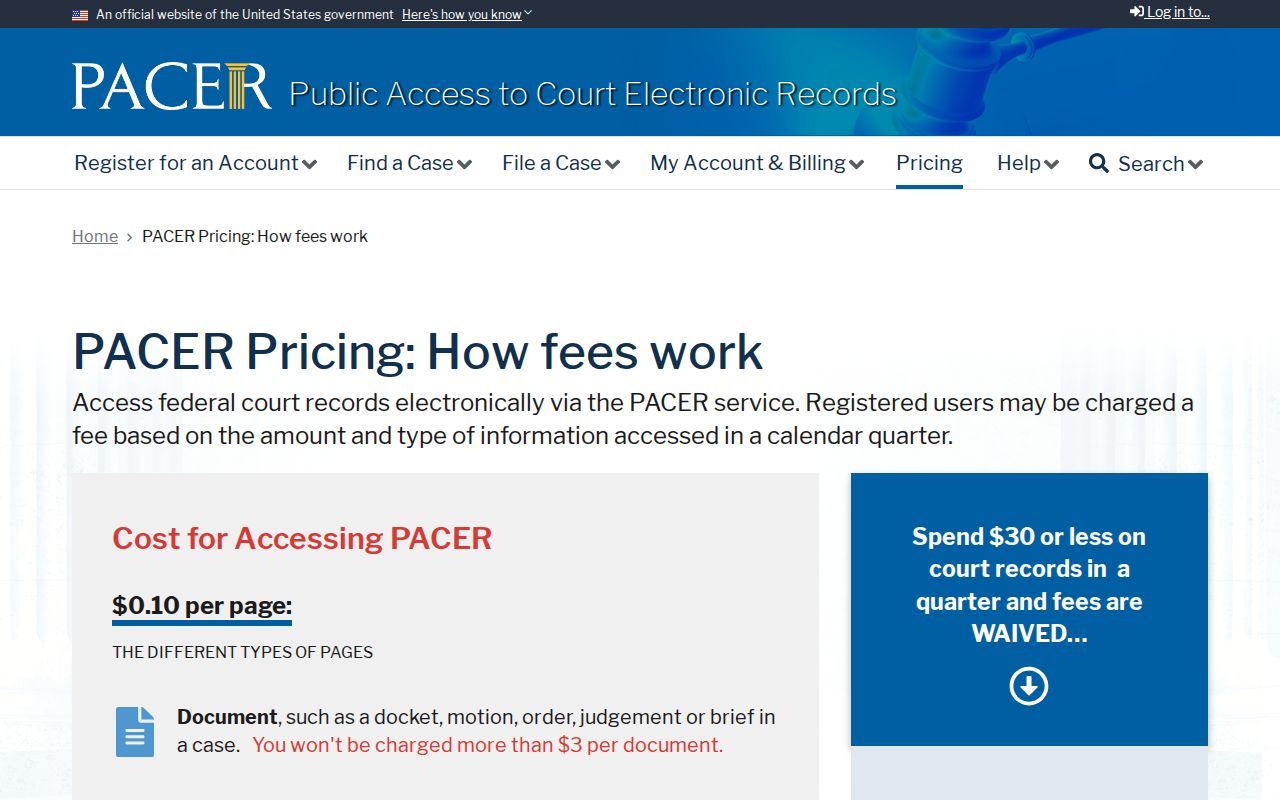
This is a federal docket resource and cannot verify a state or county warrant.
If There's an Arrest Warrant for You
A blank search tells you nothing. Neither does a third-party hit. Call the issuing court in Clay County and ask for the cause number, the warrant's current status, your next required appearance, and any bond instruction. The sheriff's main number handles questions about its own record. But the county publishes no surrender hours or bond procedures. If arrest is a worry, speak with a Texas criminal-defense attorney before you appear. Counsel can ask the court to recall or quash the warrant, arrange a walk-through, or handle bond, and every docket entry, payment receipt, or signed recall order is worth keeping.
Get instructions first: Clay County has no posted universal bond window or walk-in surrender schedule, so have the issuing court or counsel confirm the process before travel.
No Clay County Bond Window Is Published
No bond window is published for Clay County. The county lists no bond schedule, no public bond-payment page, no intake hours, and no accepted payment method. The Clay County Justice Court's cashier's-check or money-order instruction covers timely citation payments only. It says nothing about the sheriff or jail. Ask the issuing court for the amount and bond type. Also ask where the bond must be posted. Posting bond may settle custody alone, while the warrant record stays as it is and the underlying case can remain open after release. Court records and public-information requests sit on different tracks at the Texas Judicial Branch. Its Texas Rule 12 access guidance spells out the rules and limits on judicial-record requests.
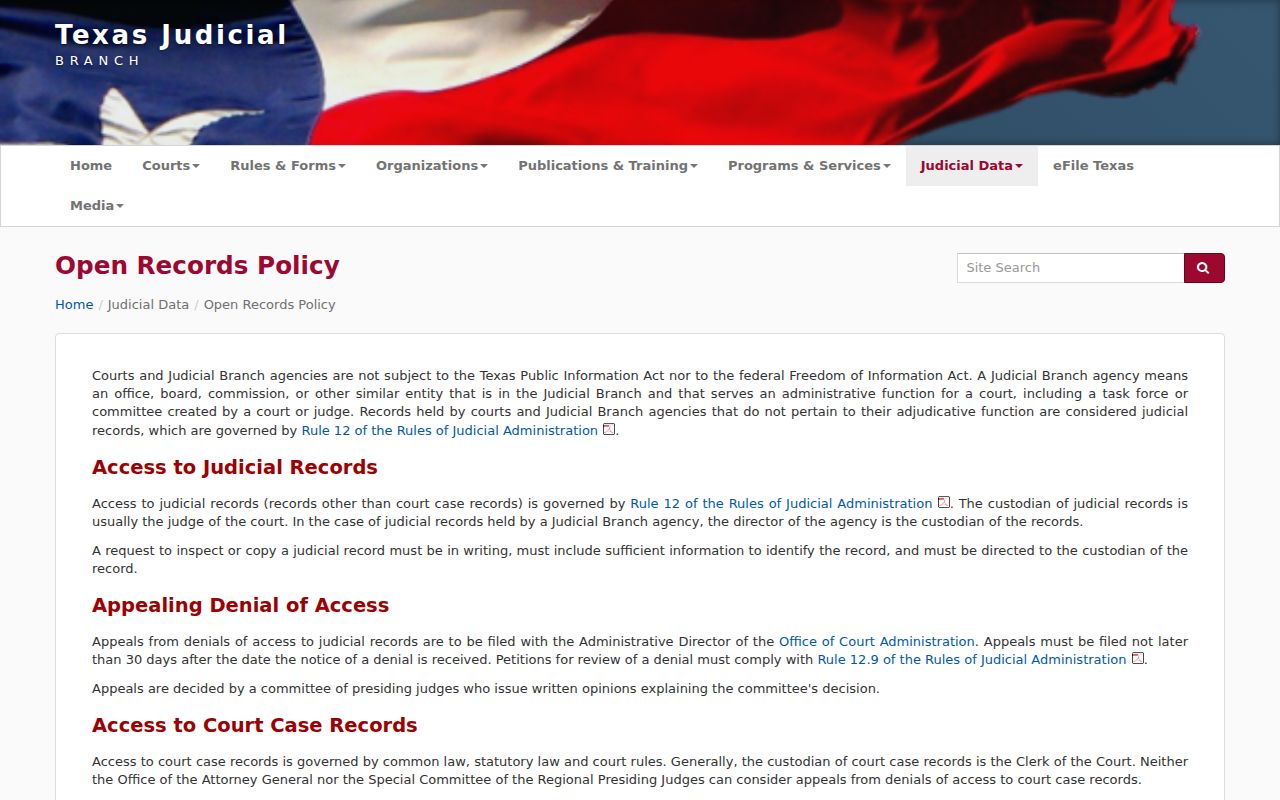
A court-record request should identify the case and go to the proper court custodian.